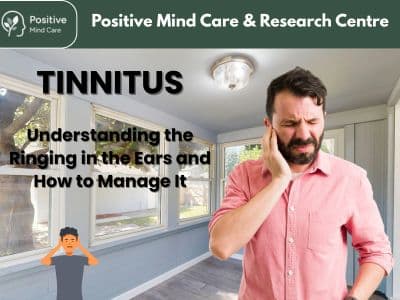
Hearing a constant ringing, buzzing, or humming sound in your ears can be confusing and frustrating—especially when there is no external source. This condition is known as tinnitus, and while it is common, it can sometimes interfere with daily life, sleep, and mental well-being.
The good news is that tinnitus can be managed effectively with the right approach and care.
What is Tinnitus?
Tinnitus is the perception of sound in the ears or head without any external noise. People may experience different types of sounds, such as:
- Ringing
- Buzzing
- Hissing
- Whistling
- Clicking
Tinnitus is not a disease itself but a symptom of an underlying issue, often related to the ear or auditory system.
According to the World Health Organization, hearing-related conditions are becoming more common worldwide due to increased noise exposure and lifestyle factors.
Common Causes of Tinnitus
Tinnitus can develop for various reasons, including:
- Exposure to loud noise (headphones, concerts, machinery)
- Age-related hearing loss
- Earwax blockage
- Ear infections
- Head or neck injuries
- Certain medications
- Stress and anxiety
Research from the National Institute on Deafness and Other Communication Disorders shows that damage to the inner ear hair cells is one of the most common causes.
Symptoms Associated with Tinnitus
In addition to hearing sounds, individuals may also experience:
- Difficulty concentrating
- Sleep disturbances
- Irritability
- Anxiety or stress
- Sensitivity to sound
- Hearing loss (in some cases)
The severity can vary from mild to very distressing, depending on the individual.
When Should You Seek Help?
You should consult a healthcare professional if:
- The ringing persists for more than a few days
- It occurs in one ear only
- It is accompanied by dizziness or hearing loss
- It disrupts sleep or daily activities
Early evaluation can help identify the cause and prevent complications.
Treatment and Management Options
While there is no universal cure, tinnitus can be effectively managed through various methods:
1. Sound Therapy
Using white noise, nature sounds, or soft music to reduce awareness of tinnitus.
2. Hearing Aids
Helpful for individuals who also have hearing loss.
3. Cognitive Behavioral Therapy (CBT)
Helps manage emotional reactions and reduce stress related to tinnitus.
4. Stress Management
Relaxation techniques like meditation, deep breathing, and yoga can reduce symptom intensity.
5. Lifestyle Changes
- Limit caffeine and alcohol
- Protect ears from loud noise
- Maintain good sleep habits
- Manage stress effectively
Living Well with Tinnitus
Tinnitus can feel overwhelming at times, but many people learn to manage it successfully and continue to live normal, productive lives.
Early care improves comfort and control.
Managing stress can reduce symptoms.
Professional support makes a difference.
If you or someone you know is experiencing persistent ringing in the ears, don’t ignore it.
📞 Book a consultation with a healthcare professional.
With the right guidance and care, it is possible to reduce discomfort and improve your quality of life.
Your hearing matters.
Your peace of mind matters.
And with the right support, balance is achievable.