Introduction
Psychotherapy and medicine have been the mainstays of mental health care for many years. Millions have benefited from these treatments, yet even after attempting several therapies, many people still suffer from disorders including depression, OCD, anxiety, and trauma. Deep Transcranial Magnetic Stimulation a scientifically supported treatment that targets the brain's healing potential at a deeper level, can help with that.
How Does Deep TMS Work
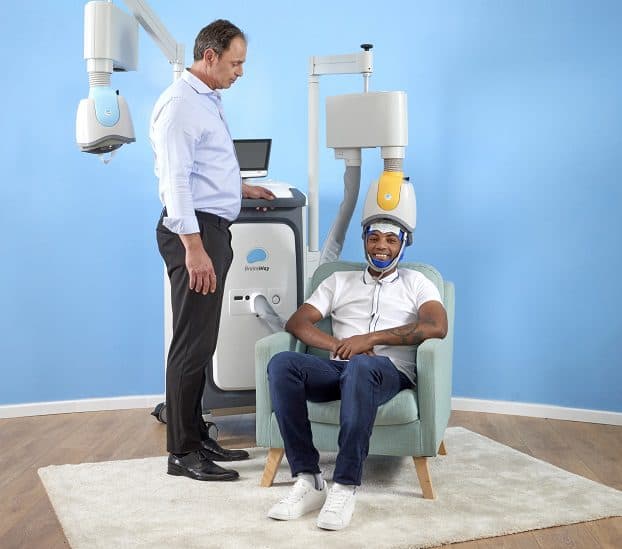
Deep TMS is essentially a non-invasive brain stimulation therapy. It delivers brief magnetic pulses to specific brain regions through a specialised helmet with coils. Deep TMS targets deeper neural pathways that are vital for mood regulation, motivation, and emotional processing, reaching up to 4 cm beneath the skull. In contrast, standard TMS mainly affects the outer layers of the brain. Consider it as "re-tuning" the brain's electrical activity, similar to adjusting a musical instrument to restore harmony
The Neuroscience Behind It
1 Targeting Key Brain Networks
Decision-making, emotion, and executive function are all associated with the dorsolateral prefrontal cortex (DLPFC), which is stimulated in depression by Deep TMS.
It focuses on the striatum and anterior cingulate cortex (ACC), which are hyperactive during obsessive thought patterns in OCD. In cases of anxiety and PTSD, it helps patients control hyperactive stress circuits by altering brain areas linked to fear reactions.
2 Neuroplasticity: Rewiring the Brain
Throughout life, the brain can create new connections; it is not static. Deep TMS promotes the development of new, healthier brain pathways by enhancing neuroplasticity. Through this process, balanced, adaptive thought and emotional responses gradually replace maladaptive ones.
3 Balancing Neurotransmitter
Deep TMS indirectly raises the release of important neurotransmitters like serotonin, dopamine, and norepinephrine by activating underactive areas. These substances are essential for maintaining mental clarity, motivation, and a positive mood.
Why Deep TMS Is the Most Advanced Treatment
1 Deeper Reach
It reaches parts of the brain that conventional TMS cannot.
2 FDA-Approved
Supported by comprehensive clinical trials for OCD and depression that don't respond to treatment.
3 Non-Invasive & Safe
No systemic side effects like those of medications, no anaesthesia
4 High Success Rates
Even in cases when medication has failed, many patients experience improvements in a matter of weeks.
Unlocking Healing Potential
Deep TMS's potency comes from its capacity to stimulate the body's natural healing processes. It helps the brain "reset" itself by directly addressing malfunctioning circuits, which does more than just cover up symptoms. In addition to symptom relief, patients frequently report feeling more energised, thinking more clearly, and having a higher quality of life.
Further Researches
Scientists are investigating Deep TMS for a greater variety of ailments as research grows, ranging from addiction and chronic pain to cognitive loss. This combination of technology and neuroscience may very well be the future of mental health care, providing a precise, individualised, and long-lasting route to recovery.
Conclusion
Deep TMS is a scientific link between brain circuitry and emotional health, not just a treatment. For people who thought they had no hope, it gives them hope by releasing the brain's healing potential.