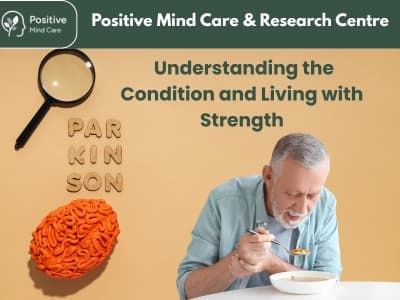
Parkinson’s disease is a progressive neurological disorder that affects movement, balance, and coordination. While it is often associated with tremors, Parkinson’s can also influence mood, thinking, and daily functioning. With proper awareness, early diagnosis, and supportive care, individuals living with Parkinson’s can maintain a meaningful and active life.
What is Parkinson’s Disease?
Parkinson's disease is a condition that occurs when certain nerve cells in the brain begin to break down or die. These cells normally produce dopamine, a chemical that helps control smooth and coordinated muscle movements.
When dopamine levels decrease, it leads to the movement-related symptoms commonly associated with Parkinson’s.
According to the World Health Organization, neurological disorders like Parkinson’s are increasing globally as life expectancy rises.
Early Signs and Symptoms
Parkinson’s symptoms usually develop gradually and may vary from person to person. Common symptoms include:
- Tremors (shaking) in the hands, fingers, or chin
- Slowed movements (bradykinesia)
- Muscle stiffness or rigidity
- Difficulty with balance and posture
- Changes in walking pattern
- Soft or slowed speech
In addition to movement problems, people may also experience non-motor symptoms, such as:
- Depression or anxiety
- Sleep disturbances
- Fatigue
- Loss of sense of smell
- Memory or concentration difficulties
Recognizing early signs allows individuals to seek timely medical care.
What Causes Parkinson’s?
The exact cause of Parkinson’s disease is still being studied. Research from the National Institute of Neurological Disorders and Stroke suggests that several factors may contribute, including:
- Genetic predisposition
- Environmental exposures
- Aging-related changes in the brain
Most cases occur after the age of 60, although younger individuals can also develop the condition.
Impact on Daily Life
Parkinson’s affects more than physical movement. It can influence:
- Independence in daily activities
- Emotional well-being
- Communication and speech
- Relationships and social interactions
Managing both physical and psychological aspects of the condition is essential for maintaining quality of life.
Treatment and Management
Although Parkinson’s currently has no cure, treatments can significantly improve symptoms and help individuals maintain independence.
1. Medication
Doctors often prescribe medications that increase or replace dopamine in the brain.
2. Physical Therapy
Exercises improve flexibility, balance, and muscle strength.
3. Occupational Therapy
Helps individuals adapt daily activities to remain independent.
4. Speech Therapy
Supports communication and swallowing difficulties.
5. Emotional and Psychological Support
Counseling and support groups can help individuals cope with stress and mood changes.
Organizations like the Parkinson's Foundation encourage a multidisciplinary approach involving neurologists, therapists, and mental health professionals.
Living Positively with Parkinson’s 🌿
A Parkinson’s diagnosis can feel overwhelming, but many individuals continue to live fulfilling lives with proper treatment and support.
Maintaining a healthy lifestyle, staying physically active, and building strong support systems can make a significant difference.
✨ Early diagnosis improves symptom management.
✨ Support from family and professionals strengthens resilience.
✨ With the right care, people with Parkinson’s can continue to live meaningful lives.
If you notice early symptoms in yourself or a loved one, consult a healthcare professional for proper evaluation and guidance. Early care can help manage the condition effectively and improve quality of life.