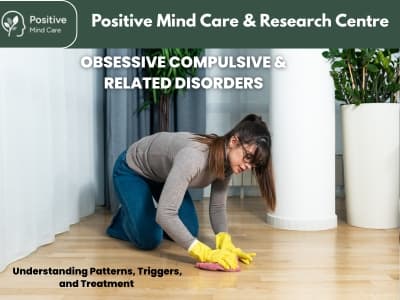
Obsessive Compulsive and Related Disorders are more than just habits or personality traits—they are serious mental health conditions that can affect a person’s thoughts, emotions, and daily functioning. These disorders often involve a cycle of repetitive thoughts and behaviors that can feel difficult to control.
With proper awareness and treatment, individuals can learn to manage symptoms and improve their quality of life.
What Are Obsessive Compulsive & Related Disorders?
Obsessive Compulsive Disorder (OCD) is the most recognized condition in this category. It is characterized by:
- Obsessions: Intrusive, unwanted thoughts, urges, or images that cause anxiety
- Compulsions: Repetitive behaviors or mental acts performed to reduce that anxiety
This cycle can become time-consuming and interfere with everyday activities.
According to the World Health Organization, OCD and related disorders affect millions globally and require appropriate clinical care.
Related Disorders
In addition to OCD, this category includes several related conditions:
- Body Dysmorphic Disorder (BDD) – Preoccupation with perceived flaws in appearance
- Hoarding Disorder – Persistent difficulty discarding possessions
- Trichotillomania – Recurrent hair-pulling behavior
- Excoriation (Skin-Picking) Disorder – Repetitive skin picking
These disorders share similarities in repetitive thoughts and behaviors.
Common Symptoms
Symptoms can vary depending on the condition, but may include:
- Persistent, intrusive thoughts
- Excessive checking, cleaning, or counting
- Fear of contamination or harm
- Need for symmetry or order
- Difficulty controlling urges
- Anxiety when rituals are not completed
Many individuals recognize that their thoughts or behaviors are excessive, yet feel unable to stop them.
Causes and Risk Factors
The exact cause is not fully understood. Research from the National Institute of Mental Health suggests that multiple factors may contribute:
- Imbalances in brain chemicals such as serotonin
- Genetic predisposition
- Stressful life events
- Trauma or environmental factors
These disorders are medical conditions—not a result of lack of willpower.
Impact on Daily Life
Obsessive Compulsive and Related Disorders can affect:
- Work and academic performance
- Relationships and social life
- Time management
- Emotional well-being
- Self-confidence
Without treatment, symptoms may become more severe over time.
Treatment and Management
Effective treatments are available and can significantly improve symptoms.
1. Cognitive Behavioral Therapy (CBT)
Especially Exposure and Response Prevention (ERP), which helps individuals face fears without engaging in compulsions.
2. Medication
Selective Serotonin Reuptake Inhibitors (SSRIs) are commonly prescribed.
3. Stress Management
Relaxation techniques such as mindfulness, meditation, and breathing exercises can help reduce anxiety.
4. Support Systems
Family support and professional guidance play a key role in recovery.
Organizations like the American Psychiatric Association recommend a combined approach of therapy and medication.
Breaking the Stigma
OCD is often misunderstood as being overly neat or perfectionist. In reality, it involves intense anxiety and distress. Increasing awareness helps reduce stigma and encourages individuals to seek help early.
Take the First Step Toward Recovery
If you or someone you know is experiencing intrusive thoughts or repetitive behaviors that interfere with daily life, it is important not to ignore the signs.
📞 +91-8920530832
📍 804 A, Unitech Arcadia, South City II, Sector 49, Gurugram, Haryana
🌐 www.positivemindcare.com
At Positive Mind Care, experienced professionals provide personalized care and support to help individuals manage symptoms and regain control over their lives.
Early help is strength — not weakness.
With the right treatment, recovery and stability are possible.
You are not alone—support is available, and a better, more balanced life is within reach.